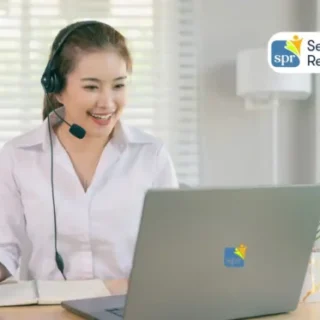

A virtual assistant for property management helps property managers grow without burning out.
But even the most qualified VA can fall short without proper training. Further, a lack of a clear system for task assignment results in errors and delays.
Effective training is crucial. It enables the real estate virtual assistant to quickly grasp expectations, tools, and workflows from the outset.
These steps will help you train your assistant effectively, whether it’s your first hire or you’re expanding your remote team.
1. Define Clear Roles and Responsibilities
Before you bring on a virtual assistant for property management, establish their responsibilities clearly.
Hiring first and figuring it out later usually leads to a lot of headaches. You’ll deal with missed deadlines and duplicated work.
Your property management virtual assistant may even feel unsure how to contribute.
So, list the core tasks in your property management workflow. Don’t forget to define what success looks like for each one.
Clear expectations from the start streamline training. It also boosts accountability for tasks like tenant emails, listing updates, or vendor follow-ups.
2. Build and Share SOPs (Standard Operating Procedures)
Don’t make your virtual assistant for property management guess how things should be done.
Document your processes clearly so they can follow your standards without second-guessing every step.
Start with the tasks you delegate most often and create simple, step-by-step guides. These can be in Google Docs, checklists, or screen recordings using tools like Loom.
Nothing fancy, just clear instructions.
Think about what they’ll need to know. They’ll need to manage maintenance requests, onboard tenants, update listings on Zillow and Facebook, and follow up with leads.
Well-documented SOPs help your VA get up to speed quickly. It also reduces the constant back-and-forth.
And as your team grows, these resources become essential for training future virtual assistant property management hires.
3. Train on Your Tools, Not Just the Task
Simply knowing how to send an email or post a listing isn’t enough.
Virtual assistants need to grasp how your tools integrate into your daily workflow, not just their general function.
Make sure your virtual assistant property management hire has full access to the software you use. Take the time to show them how each platform fits into your daily workflow.
Utilize CRMs (HubSpot, Propertybase), property management systems (AppFolio, Buildium), task managers (ClickUp, Trello), and communication tools (Slack, Zoom).
Explain how you name files, tag tasks, organize folders, and log activity. Show them how to categorize maintenance requests or record follow-up notes after tenant calls.
Train property management VAs on your processes, not just tools, so they can proactively support operations.
4. Use Real-Life Scenarios to Train

Theory is helpful, but hands-on practice is what truly builds confidence.
After tool and core responsibility training, reinforce your virtual assistant’s property management skills with real-world scenarios.
To train your VA, use mock scenarios. Roleplay tenant complaints, listing creation, scheduling conflicts, and report interpretation.
Shadowing real workflows helps your property management VA understand your expectations and decision-making.
It also creates a natural space for giving constructive feedback before they move on to handling actual tasks on their own.
5. Schedule Frequent Check-Ins and Communication
Consistent, structured communication is crucial when training a virtual assistant for property management, especially early on.
Without the benefit of working side by side, misunderstandings can build up quietly and slow down progress.
Establish a regular check-in schedule. It can be done daily or at least a couple of times a week.
Use these brief meetings to review work, answer questions, and give feedback. These touchpoints can also be used to clarify expectations and adjust priorities.
While micromanaging isn’t necessary, active involvement is key to guiding your VA’s growth.
Utilize communication platforms like Slack or Microsoft Teams for daily connectivity. Keep tasks organized and visible with shared tools such as Asana or ClickUp.
Foster an environment where your VA feels empowered to ask questions and document their learning.
The more you clarify early on, the faster they’ll become confident and self-sufficient in their role.
6. Offer Feedback and Invite It Back
Feedback isn’t just about correcting mistakes. It’s how your virtual assistant develops in the role and becomes more efficient over time.
Consistent feedback, beyond formal reviews, is crucial. Ensure your comments are actionable by linking them to specific examples.
For instance, instead of general praise, try, “Excellent use of the listing template. Next time, just confirm the property tax details.”
Equally important is inviting feedback from them. Ask about any confusion, obstacles encountered, or suggestions for task improvement.
This two-way feedback loop shows that their input is valued. It not only sharpens performance but also builds a more collaborative working relationship.
7. Expand Their Role Gradually
Once your virtual assistant for property management shows they can handle the basics, don’t box them into a narrow set of tasks.
As they grow more confident, look for ways to expand their responsibilities based on their strengths and your business needs.
For instance, a real estate virtual assistant initially managing tenant emails could advance to handling lease renewals.
If they excel in property listings, they might take on lead follow-ups and marketing support.
Eventually, their responsibilities could evolve from basic data entry to compiling monthly reports or coordinating with maintenance vendors to ensure quality and timely service.
Delegating tasks frees up time for portfolio expansion, client relations, or property acquisition.
Just make sure to update your SOPs as their role expands. The effort you invest in training now continues to pay off as they become a more valuable, long-term part of your team.
Ready to Skip the Guesswork? Let’s Help You Hire the Right Virtual Assistant for Property Management
You can train the best remote real estate assistant in the world. However, if you start with the wrong hire, you’re just spinning your wheels.
At Search Party Recruiting, we help property managers in sourcing virtual assistants who possess the necessary skills, mindset, and expertise in property management.
No luck. No guesswork. Just qualified, ready-to-go support.
Fast Turnaround
We don’t drag things out. We match you with deployment-ready virtual assistants quickly. Usually, in just a few days.
Tailored to Your Needs
We don’t believe in one-size-fits-all hires.
We tailor each virtual assistant hiring process to your business model and toolset.
Whether you need full-time help or part-time support, we’ll find the right fit.
90-Day Guarantee
Hiring doesn’t have to feel risky.
If your virtual assistant for property management isn’t the right match within 90 days, we’ll replace them at no extra cost.
No stress. No delays.
Ongoing Support
You’re not alone after the hire. Our team continues to support you as your needs change.
Need to scale up, redefine roles, or troubleshoot something? We’re just a message away.
Book a Free Discovery Call
If you’re serious about hiring a high-performing virtual assistant for your property management business, let’s talk.
Book a free discovery call with our team. We’ll guide you through the process, clarify your needs, and match you with a virtual assistant property management professional who fits your business.