

In 2025, many HR teams went all-in on AI hiring tools. But by early this year, a human-led hiring strategy 2026 is quickly regaining traction.
Automated resume screening, interview bots, and predictive algorithms promised faster hires, but the results told a different story.
Those same teams are now rebuilding their Q1 plans, and not because the technology failed outright.
It’s because the outcomes did.
Despite some efficiency gains, companies began noticing major cracks. Qualified candidates were slipping through the system.
Culture fit was off. DEI progress was stalling. And turnover was on the rise.
That’s when the limitations of AI in hiring became too obvious to ignore.
Now, more companies are stepping back from automation-only systems and re-investing in people-first processes.
This means bringing judgment, empathy, and nuance back into recruitment.
Let’s break down why this shift is happening, what AI still can’t do, and how human-led teams can fix the problems automation created.
Why Can’t AI Take Over Human Jobs?
AI can rank candidates by keywords. It can schedule interviews and even transcribe conversations.
But it can’t see people for who they really are. It doesn’t understand nuance.
And it definitely doesn’t understand what makes someone a good cultural fit.
In 2026, companies are realizing that hiring is about more than just matching skills to a job description.
It’s about finding people who align with your values, communicate well with your team, and add something unique to your company culture.
That’s where AI hits a wall.
Human vs AI recruitment decisions often come down to this.
AI can identify resumes. Humans can identify potential.
How Is Artificial Intelligence in HR Changing Hiring?
AI isn’t going anywhere. But its role is changing.
Instead of replacing human recruiters, AI is becoming a tool that supports them.
For example, it’s helpful for scanning large volumes of applicants or spotting duplicate entries in a system.
But more HR teams are saying no to letting AI make final decisions, especially as the push for a human-led hiring strategy 2026 gains momentum.
Why?
Because AI hiring limitations in 2026 are becoming more obvious.
Here’s what AI can’t do.
AI Can’t Read Human Signals
AI cannot interpret body language, tone shifts, or nonverbal cues that often reveal how a candidate truly communicates and reacts.
AI Misses the Story Behind the Resume
When a resume doesn’t tell the full picture, such as career pivots or unconventional paths, AI lacks the judgment to fill in the gaps.
AI Struggles With Context and Life Experience
Gaps caused by caregiving, upskilling, or personal growth are often misread by automated systems that prioritize linear careers.
AI Overlooks Subtle Red Flags
Inconsistent communication, missed follow-ups, or unclear intent are human signals that algorithms frequently ignore.
Relationships Still Require Humans
AI can process applications, but it cannot build trust or meaningful connections, which remain essential to successful hiring.
AI can’t build relationships with candidates. And that’s one of the most important parts of hiring.
Why Might the AI System Be Biased in Its Hiring Recommendations?
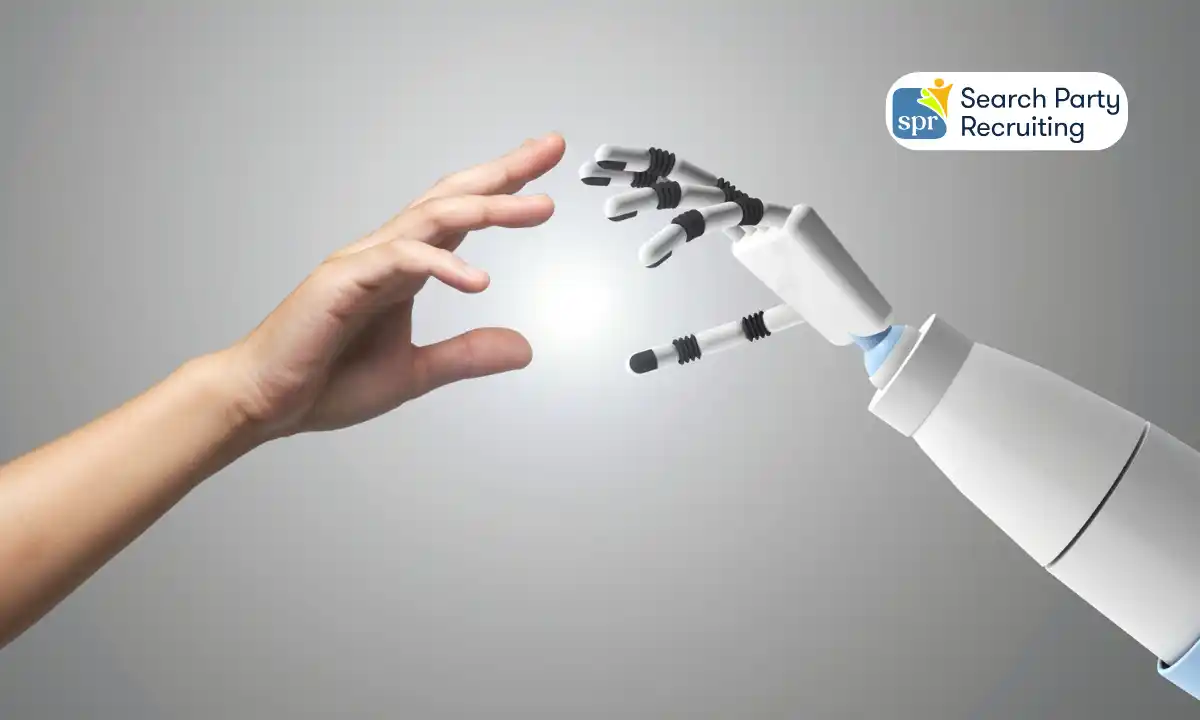
Despite being marketed as “objective,” many AI systems learn from past hiring data.
And that data often includes human bias.
AI hiring, based on past data, risks prioritizing candidates with similar schools, regions, or career paths. It favors pattern recognition over merit.
This becomes a major problem for companies committed to DEI.
In fact, many HR leaders in 2026 are reporting that their AI hiring tools accidentally increased bias, not reduced it.
The result?
Lower candidate diversity, less innovation, and higher legal and reputational risk.
The Rise of HR Automation Fatigue
After a few years of trying to automate everything, HR teams are experiencing automation fatigue.
The initial novelty has worn off.
Now, the focus is on results, and they aren’t great.
Many recruiters feel less connected to candidates.
Applicants report a colder, less personal hiring process.
And hiring managers say their new team members often look great on paper but struggle to integrate with the company culture.
The truth is, automation works best for repeatable, low-stakes tasks.
But hiring isn’t low-stakes.
A bad hire costs time, money, and morale.
That’s why a human-led hiring strategy 2026 is making a strong comeback.
Candidate Experience Still Matters
Too many candidates in 2025 reported the same thing.
No updates, no feedback, no human contact.
They applied to jobs, spoke to bots, and waited in silence.
In 2026, the companies that win top talent are the ones prioritizing candidate experience human hiring.
They’re bringing people back into the process. This means following up personally, offering real-time feedback, and showing that they value applicants’ time and energy.
And it’s paying off.
Candidates want transparency and trust. Not automation with no accountability.
Rebuilding Hiring Plans for Q1 2026
Across industries, HR teams are rethinking their Q1 hiring plans. The question isn’t just “How many people do we need?”
It’s “What kind of hiring system actually works?”
A human-led hiring strategy 2026 demands two core shifts.
First, a return to human-first sourcing, often supported by virtual assistants or assistants meticulously trained to handle applicant flow with care.
Second, it also requires transparent communication from first contact through onboarding, using tools to enhance, not replace, human judgment.
This is the shift from AI-only to hybrid. From tech-led to people-powered.
Why Culture Fit Can’t Be Coded
Culture fit is one of the most misunderstood ideas in hiring.
It’s not about hiring people who act or think the same. Instead, it’s about hiring people who align with your values and can thrive in your environment.
That’s a judgment call. And judgment is human.
Collaboration under pressure, a team’s energy, or an individual’s emotional intelligence are elements that cannot be coded or automated.
That’s why AI hiring limitations 2026 are becoming a strategic risk.
The more companies try to automate culture, the more they miss the heart of what makes teams work.
Workforce Planning After AI Adoption
After adopting AI, many companies are asking a bigger question: what now?
They’ve seen the limitations and understand what automation can and can’t do.
Now, the focus is shifting toward building better teams through a human-led hiring strategy 2026. One that blends smart tech with skilled human support.
That’s where Search Party Recruiting comes in.
How Search Party Recruiting Supports a Human-Led Hiring Strategy 2026

At Search Party Recruiting, we help U.S. companies hire trained virtual assistants for HR roles who actually understand what great hiring looks like.
These aren’t bots. They’re people.
They can screen applicants, manage your ATS, schedule interviews, and communicate with candidates at every stage.
More importantly, they bring empathy, judgment, and cultural awareness to every interaction.
Whether you’re dealing with HR automation fatigue, fixing broken systems, or scaling up fast, we match you with talent who can help.
Our HR VAs are trained in tools like Workable, Greenhouse, or BreezyHR. They know U.S. communication standards and keep your process moving with consistency and care.
Every placement is backed by our 90-day guarantee. And most clients are matched within a few days.
Let’s build your human-led hiring strategy 2026, one that reflects your values and brings your best team forward.
Ready to stop letting AI call the shots and start hiring with intention?
Book a discovery call with Search Party Recruiting today. Or fill out our contact form, and we’ll follow up within one business day.
Because tech can filter resumes. But only humans can build great teams.