
Weekend traffic still drives sales, but guessing which product listing grabs attention wastes time and revenue. A product listing specialist treats your main image and title as your first conversion system, running split tests to find the version that lifts CTR and conversions—even when market activity slows. In this post, you’ll learn how a clear, repeatable testing process turns small changes into measurable gains that protect your revenue and fuel growth during fiscal year planning. Learn more about A/B testing ideas for product page conversions.
Overcoming Low CTR and Conversion Anxiety
If you’re worried about low click-through rates (CTR) and conversions, you’re not alone. Many product listings fail to grab attention, leading to missed sales opportunities.
Identifying Click-Through Rate Barriers
Click-through rate issues often start with unappealing images and titles. These elements are the first things shoppers see. If they don’t catch the eye, the shopper moves on. To tackle this, focus on creating an engaging main image and a compelling title. These are your top tools for enticing clicks. Consider what your target audience values most. Is it the product’s unique features, or perhaps the price point? Highlight these in your images and titles to boost your CTR.
Understanding Conversion Challenges
Converting clicks into sales is a different challenge. It’s not just about getting visitors to your page; it’s about convincing them to buy. Common conversion hurdles include unclear product descriptions and lack of customer reviews. Ensure your product details are clear and complete. Provide social proof with reviews and testimonials. This builds trust and makes buyers more likely to complete a purchase.
The Split Testing Process Breakdown
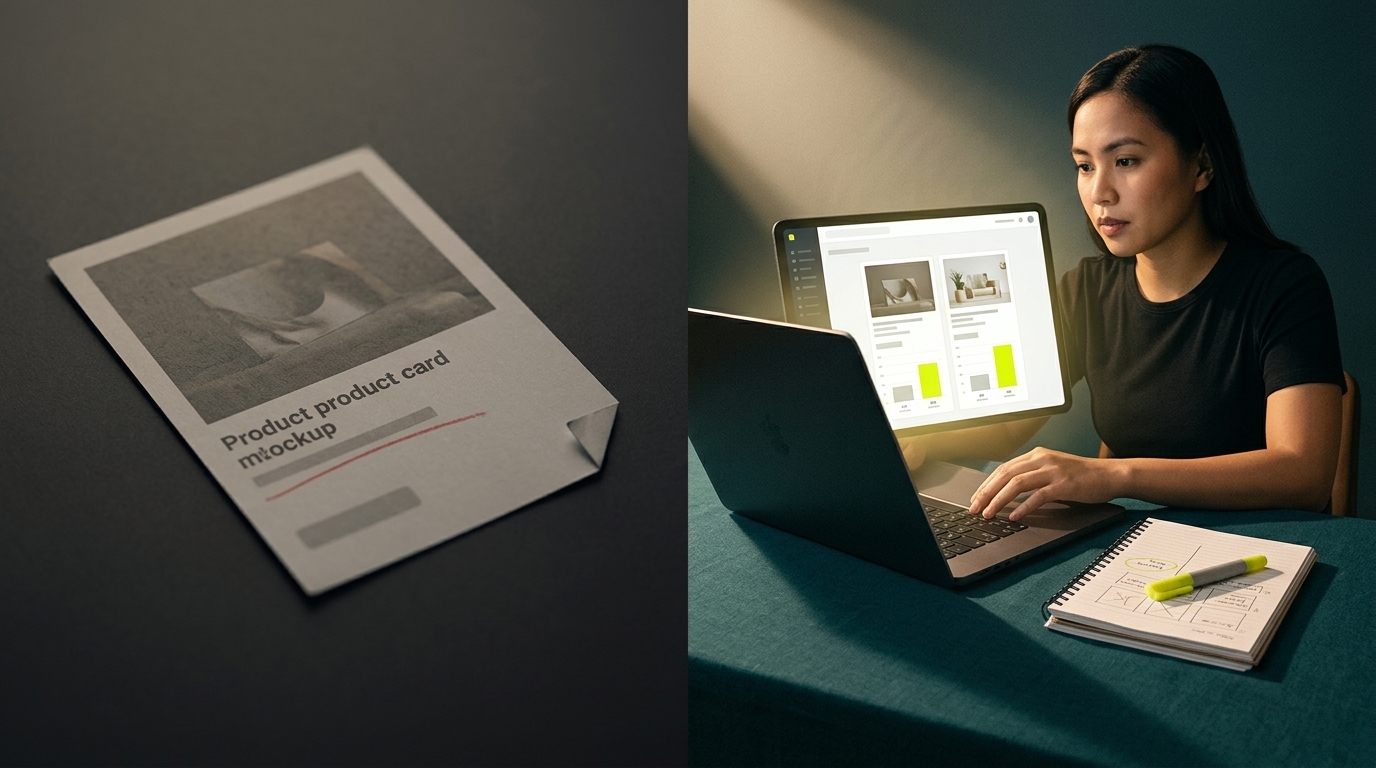
A/B testing is your secret weapon here. By testing different versions of your listings, you can find what works best.
Crafting Hypotheses for Effective Tests
Before you start testing, it’s crucial to have a clear hypothesis. This means deciding what you think will increase CTR or conversions. For instance, will a brighter image attract more clicks? Or maybe a title emphasizing a discount will drive sales? By forming a hypothesis, you set a clear goal for your test. This ensures you’re not just making changes at random, but rather working towards a specific outcome.
Selecting Variants: Main Images and Titles
Once you have your hypothesis, choose the variants to test. This could be different images, alternate titles, or even both. Keep it simple: test one change at a time for accurate results. For example, try a close-up product image against a lifestyle image. Or, test a title that highlights a benefit versus one that mentions a feature. Choose variants that align with your hypothesis to see clear results.
Analyzing Results and Choosing Winners
After running your test, it’s time to analyze the results. Look at which version achieved a higher CTR or conversion rate. Use tools like Google Analytics to track these metrics. Choose the version that performed better as your winner. Remember, the goal is to make informed decisions based on data, not guesswork.
Weekend Optimization: A Competitive Edge

Weekends can be a goldmine for sales. Optimizing during this time gives you an edge over competitors.
Monitoring Traffic Spikes and Protecting Revenue
During weekends, traffic often spikes. This is your chance to capture more sales. Monitor your site traffic closely and be ready to make quick adjustments. If you notice a drop in sales, investigate immediately. It could be due to a change in customer behavior or a technical issue. By staying vigilant, you ensure your product listings are always at their best when traffic is high.
Implementing Changes for Quick Wins
Quick wins are tweaks that yield immediate results. After identifying successful variants from your tests, implement these changes widely. This could mean updating all your listings with the best-performing image or title. Quick wins help maintain momentum and keep your listings competitive during peak times.
Frequently Asked Questions
What is A/B testing in eCommerce?
A/B testing involves comparing two versions of a webpage or element to see which performs better. It’s commonly used in eCommerce to improve elements like product images and titles, leading to higher sales.
How can I improve my CTR on product listings?
To improve CTR, focus on creating captivating main images and titles. Highlight key features or benefits that appeal to your audience. Testing different versions can also reveal which approaches work best.
Why is conversion rate optimization important?
Conversion rate optimization is crucial because it turns visitors into buyers. By refining your product listings, you increase the likelihood of sales, boosting your revenue.