Tangled software tools and forgotten app bills quietly drain cash from growing firms every month. Bringing on a skilled operations coordinator clears out that clutter and puts you back in charge of your budget.
Many teams sign up for new tools during busy weeks and never cancel old ones. Duplicate plans and unused seats pile up fast when nobody checks monthly app bills.
Cleaning up your back-office tools saves thousands of dollars while helping your staff work faster.
Smart firms treat app spending with the same care as payroll or rent.
When separate teams buy different tools for the same job, daily work turns messy and slow.
Running a regular software check spots wasted cash early and keeps your whole team aligned.
What Does SaaS Operations Mean?
Founders often hear tech leaders talk about managing their app stack, yet many ask what does SaaS operations mean in plain words.
Simply put, SaaS operations is the daily work of tracking, organizing, and fixing all cloud apps your firm pays to use.
A trained SaaS operations specialist makes sure every app earns its cost and links cleanly with your other tools.
Fixing Hidden Stack Waste
Without active oversight, separate teams often buy extra chat or task apps that overlap.
Past workers may still hold active, paid seats long after they leave the firm.
Staff also waste hours moving data by hand between disconnected tools while surprise auto-renewals hit your card every week.
Running a Lean Cloud System
Strong SaaS operations replaces that mess with clear rules and connected tools.
One approved app handles each core job,and open seats get closed the very day a worker leaves.
Linked apps share updates on their own, while renewal dates and plan tiers stay logged on one master sheet.
Keeping your app stack lean stops confusion and helps remote teams move fast.
What Is the Role of an Operations Coordinator?

When app clutter slows down growth, leaders often ask what is the role of an operations coordinator in fixing the mess.
A dedicated operations coordinator acts as the main organizer who keeps your cloud tools, files, and work steps running right.
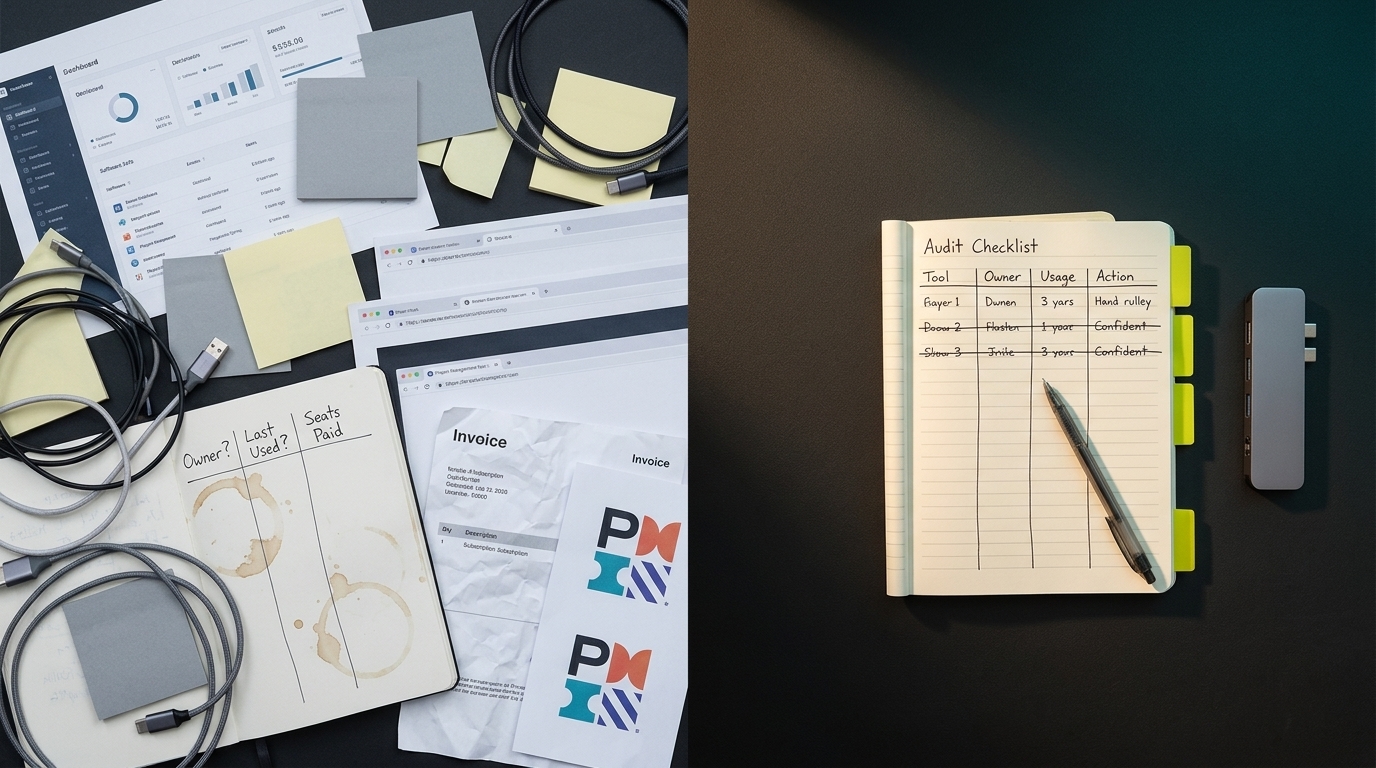
Rather than letting founders waste weekends reading credit card bills, this helper runs a clear four-step audit.
1. Build a Full App List
Listing every active cloud tool is the first step toward cutting waste. Your VA logs each app name, monthly price, renewal date, and team owner on one master sheet.
2. Spot and Cut Unused Seats
Checking login logs shows paid seats sitting empty for months.
Closing seats left behind by past staff or role changes trims your monthly bill right away.
3. Map Work Overlaps
Reviewing what each app does exposes extra tools doing the exact same job. Merging two separate note or task apps into one tool saves money and cuts team stress.
4. Set App Buying Rules
Adding a simple request step stops staff from buying new tools without asking first. Having one clear gatekeeper keeps extra plans from creeping back into your budget.
What Skills Are Needed for SaaS?
Managing cloud apps takes more than basic typing.
Knowing what skills are needed for SaaS back-office work helps you pick the right remote helper for your team.
An effective SaaS VA blends tech comfort with neat daily habits.
Sheet and Budget Tracking
Building clear tracking sheets that log monthly app costs, renewal dates, and seat counts with zero errors.
CRM and Tool Links
Connecting sales, billing, and task apps so client data moves cleanly from one tool to the next.
Vendor and Billing Help
Reaching out to app support desks to lower pricey plans, claim yearly discounts, or close old accounts.
Simple Guide Writing
Creating short step-by-step guides that teach new staff how to use company apps the right way.
Careful Bill Audits
Spotting small billing errors, duplicate logins, and weak passwords before they turn into costly problems.
Strong habits in these five areas keep your digital workspace clean all year.
When one skilled person owns these tasks,your whole team spends less time fighting tech glitches and more time serving buyers.
Why Should Companies Hire an Operations Coordinator from the Philippines?
Hiring full-time operations staff in the United States brings steep pay, tax, and office bills. Growing firms often look overseas to get top back-office help without draining cash reserves.
Choosing a virtual assistant Philippines links your firm with college-educated workers who speak clear English.
Many candidates hold business or tech degrees and already know top cloud tools like Slack, HubSpot, Notion, and Asana.
Deciding to hire an operations coordinator remotely cuts labor bills by up to seventy percent. Saved cash stays in your bank account to fund product updates, web ads, and buyer growth.
Working across time zones also gives your firm an overnight edge.
While your local staff sleeps, your remote helper can audit bills, update sheets, and prep clean reports for morning review.
How Does Search Party Recruiting Match You with an Operations Coordinator?
Reading hundreds of online resumes steals precious hours away from leading your team. Search Party Recruiting handles the whole search and vetting path so you can clean up your systems fast.
Our hiring team matches U.S. firms with pre-vetted remote workers who already know how to audit app stacks and set up clean workflows.
Most clients meet top candidates within just a few business days. Every hire comes backed by our ninety-day replacement promise.
If your VA is not the right fit, we replace them at no extra cost.
Request your custom candidate shortlist from Search Party Recruiting today or fill out our contact form to claim 50% off your first hire. Tell us about your team and take back control of your software budget this week!