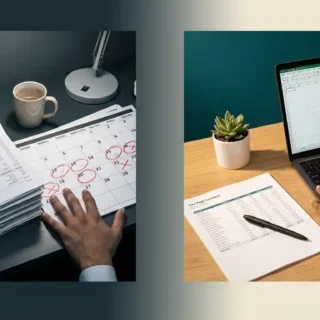
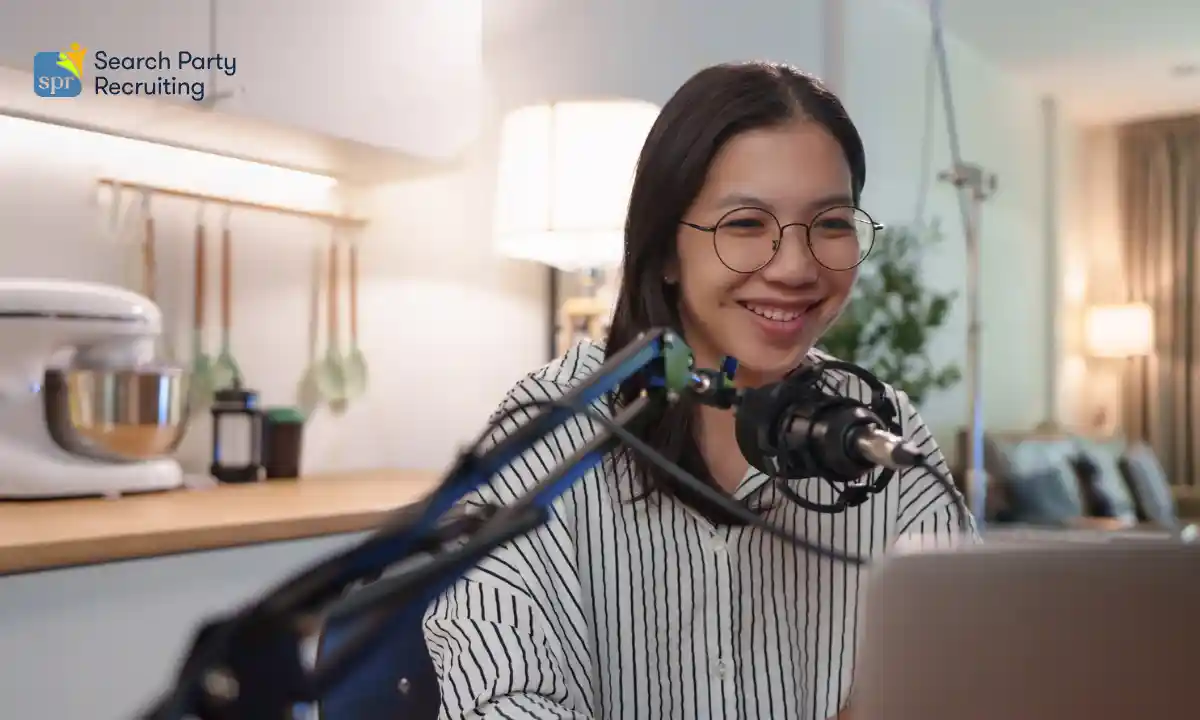
Most podcasters think the work starts when the recording begins. The hosts who consistently produce standout episodes know the opposite is true.
The quality of any podcast episode is determined almost entirely by what happens before the recording session. The research. The guest preparation. The question development. The technical setup. The scheduling. Done well, these steps make recording easy and the episode compelling. Done poorly — or skipped entirely — they make even a talented host sound unprepared.
Edison Research’s Infinite Dial 2025 confirmed that 55% of Americans now listen to podcasts monthly. The market is enormous. The competition is fierce. The shows that break through are the ones where someone — not necessarily the host — has done the pre-production work thoroughly.
A VA is that someone. Here is exactly what they handle before you say a word into the microphone.
Guest Research and Briefing
Researching your guest allows you to find things to ask about that are not on their Wikipedia page or in their own bio. It engages your guests and shows them that you have done the work. It creates a more interesting and engaging product for your listeners.
A VA conducts a thorough research brief on every guest before the recording date. They review the guest’s recent interviews, LinkedIn activity, published content, company news, and any notable positions they have taken in their field. They identify the angles that have not been covered elsewhere — the questions that will produce a fresher, more revealing conversation than the standard intro question.
This briefing gets packaged into a one-page document that the host reviews before the session. The host walks in already knowing the guest — not reading their bio for the first time on the call.
Question Development and Interview Outline
A VA drafts the interview outline — not a rigid script, but a structured roadmap that ensures the conversation covers the right territory.
The goal is a set of bullet points that give the host a clear path through the conversation while leaving room for natural detours. A good outline means the host already knows what 90% of the answers are likely to be — and has prepared follow-up questions for the unexpected moments that make the best audio.
This takes two to three hours of focused work per episode. A VA owns it entirely.
Guest Coordination and Scheduling
Booking a guest involves more back-and-forth than most hosts anticipate. Confirming availability, sending calendar invites, sharing recording instructions, collecting headshots and bios, and sending reminders all happen before a single recording session.
A VA manages this entire coordination layer. The host provides the target guest. The VA handles everything until the recording link is ready and confirmed.
Effective podcast outreach feels like an invitation — not a pitch — emphasizes the guest’s expertise, and highlights the value to their audience. A VA communicates your show’s professionalism from the very first message.
Pre-Recording Checklist and Technical Setup
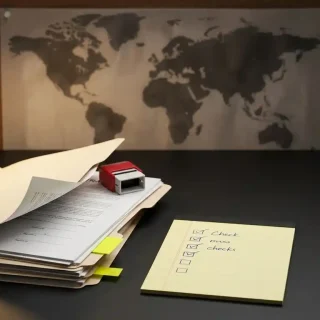
Technical issues during a recording are almost always avoidable. A VA sends every guest a pre-recording checklist — covering microphone setup, headphone use, recording environment, internet connection, and any software requirements.
For remote interviews, a VA also sets up the recording platform, confirms that backup recording options are in place, and sends a test link to the guest in advance. The goal is to ensure the session runs without interruption — so the conversation, not the technology, is what requires everyone’s attention.
Show Notes and Episode Description Drafts
Most podcasters write show notes after the episode is recorded. A VA starts the draft before recording begins — pulling together the guest bio, the key topics the episode will cover, relevant resources and links, and the episode structure.
After the recording, the VA fills in the gaps and finalizes the document. This approach cuts post-production time significantly — because the framework was already in place before the session ended.
Podcasts with well-structured, SEO-friendly show notes rank significantly better in podcast directories and search results than those without them. A VA makes show notes a consistent output rather than an afterthought.
Content Calendar and Episode Planning
Consistent publishing is the single biggest driver of podcast audience growth — and the single biggest operational challenge for hosts who are also running a business.
A VA maintains your episode calendar — tracking which guests are confirmed, which episodes are in production, and what topics are planned for upcoming weeks. They flag gaps before they become missed publish dates. They identify guests whose episodes align with your content strategy. They keep the production pipeline moving without requiring the host to manage the logistics.
How Search Party Recruiting Helps Podcasters
At Search Party Recruiting, we match growing podcasters and media businesses with skilled virtual assistants who understand guest coordination, pre-production research, and the operational workflows that keep shows publishing consistently.
Whether you need a podcast production assistant to own your full pre-recording workflow, a guest outreach and booking assistant to keep your calendar full of great interviews, or a research VA to prepare briefing documents before every recording session, we find the right person for your show and your goals.
Most clients are matched within a few business days, and every placement is backed by our 90-day guarantee. Not the right fit? The candidate gets replaced at no additional cost.
Book a discovery call with Search Party Recruiting today. Let’s build the pre-production system that makes every recording session your best one yet.