Unexplained FBA shortages cost you time and money every week. Most operators overlook how a sharp shipment audit uncovers hidden reimbursements from lost and damaged inventory. This guide breaks down the exact reconciliation steps an Inventory and Fulfillment Coordinator uses to turn those gaps into cash flow—helping you protect margins and clean up your books before the next fiscal year. For more insights, check out this Amazon reimbursement guide.
Understanding FBA Reimbursement Opportunities
Finding extra cash in your FBA operations can make a big difference. By focusing on reimbursement opportunities, you ensure that your business remains financially healthy.
Identifying Lost Inventory Amazon Issues
Lost inventory can feel like a mystery. Often, items disappear during transit or while stored in Amazon’s warehouses. To tackle this, start by reviewing your shipment records and Amazon’s received inventory reports. Look for discrepancies between what you sent and what Amazon acknowledged. Use tools like RefundPros to help identify these issues.
Once you’ve spotted a gap, it’s time to act. File a claim with Amazon by providing all necessary documentation, such as purchase invoices and shipment details. Remember, the key is to be thorough. The more detailed your records, the stronger your case for reimbursement.
Addressing Damaged Inventory Amazon Concerns
Damaged inventory is another common challenge. Items can get damaged during transit or while stored at Amazon. To address this, regularly monitor your inventory reports on Amazon Seller Central. Look for any items marked as damaged or unsellable.
Next, gather evidence such as photos of the damage or feedback from customers. With this information, submit a claim to Amazon. Highlight the financial impact of the damage and provide clear documentation to support your case. By doing so, you can recover lost revenues and protect your margins.
Mastering the Amazon Reimbursement Process
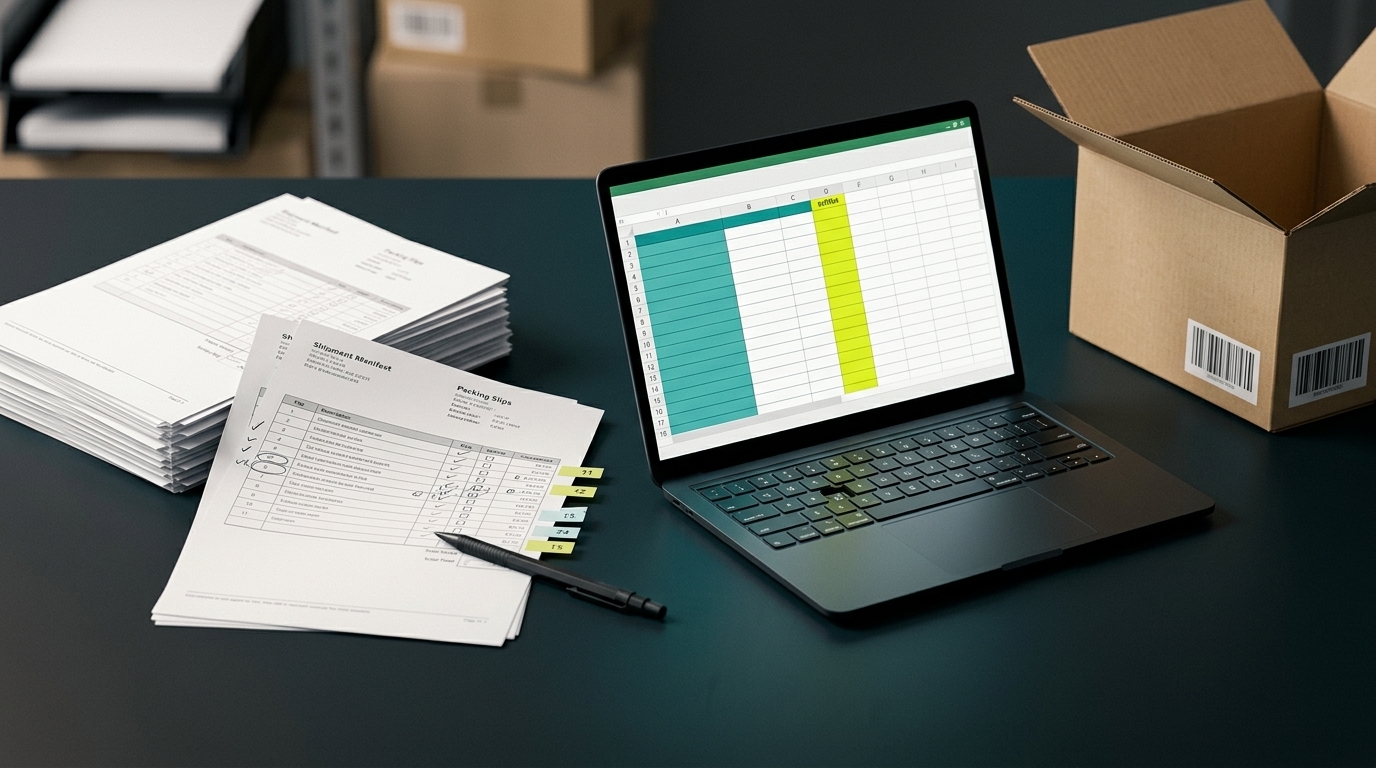
Understanding the reimbursement process is vital. A structured approach ensures you receive what you’re owed without unnecessary delays.
Conducting a Thorough Shipment Audit Amazon
A detailed shipment audit is your best tool. Start by comparing your shipping records with Amazon’s received inventory data. This comparison highlights discrepancies that could lead to reimbursement opportunities. Regular audits, ideally monthly, keep you on top of potential issues.
Consider involving an expert. An Inventory and Fulfillment Coordinator can manage audits efficiently, ensuring no detail is missed. Their expertise helps streamline the process, saving you time and stress.
Recognizing FBA Shipment Discrepancies
Spotting FBA shipment discrepancies requires keen attention to detail. Look for mismatches between what you sent and what Amazon says it received. Regularly update your records and reconcile them with Amazon’s reports. This ongoing process helps avoid long-term issues and ensures financial accuracy.
When discrepancies arise, act swiftly. Document everything clearly and submit your claims promptly. This proactive approach minimizes potential losses and maximizes reimbursement opportunities.
Implementing an Effective FBA Audit Workflow

Creating an effective audit workflow is crucial for consistent success. A structured system ensures nothing falls through the cracks.
Steps to Reconcile FBA Inventory
Gather Data: Collect all shipment and inventory records.
Compare Reports: Match your records with Amazon’s received data.
Identify Discrepancies: Note any mismatches or missing items.
Document Thoroughly: Keep detailed records of all findings.
Submit Claims: Provide Amazon with all necessary documentation.
Following these steps ensures a smooth reconciliation process, helping you recover funds efficiently.
Leveraging a Filipino Virtual Assistant Amazon
One of the best ways to maintain an effective audit is by hiring a Filipino virtual assistant. These professionals offer cost-effective support for your FBA operations. With their skills, they handle the audit process, freeing you to focus on other business areas. Their expertise streamlines operations, ensuring nothing is missed in your audit workflow.
Frequently Asked Questions
How can I identify lost inventory on Amazon?
To identify lost inventory, regularly compare your shipment records with Amazon’s received inventory reports. Any discrepancies between the two can highlight lost items.
What should I do if my inventory is damaged at Amazon?
If your inventory is damaged, document the damage with photos and customer feedback. Then, submit a detailed claim to Amazon with all necessary evidence.
How often should I conduct a shipment audit?
Conducting a shipment audit monthly is recommended. This regular review helps ensure discrepancies are caught early, maximizing reimbursement opportunities.